
Scraping the future.
Anna’s Archive Spotify heist, and Residential Frequencies: a mix.

Hello,
The end-of-year holiday season is often a time of renewal, a brief stretch in which past, present and future converge toward goals of betterment, fulfilment and, perhaps, even kindness.
To give is to be greater than the sum of our daily lives, and the end of the year reminds us that giving is a valuable act for ourselves and others. Of course, ‘gift’ comes from ‘give’. I’m not the only one who experiences this time of year as both freeing and pressured – relieved of some responsibilities, yet reminded of others that appear on cue. What do we gift others? Do we find that inspiration for that shared moment a gift offers in that quest for renewal, or do we simply ask our loved ones to tell us what they want? We are often so busy, yet eager to please. Giving someone something they want brings neatly tied satisfaction for all. How often do we give something to someone they hadn’t known about or thought they might enjoy previously, but it’s perfectly revelatory to them?
Streaming platforms exist for this very moment. Algorithms steer us to places we already know, keeping us content, at least for a while. We know it as passive listening - you could even call it passive giving. They’ve always cast themselves as the ultimate gift for music lovers.
I woke this morning – Christmas Eve on most calendars – to the news that not-for-profit activist group Anna’s Archive has scraped Spotify and plans to release millions of music tracks via their platform, which currently houses links to pirated books, magazines and journals. They call it ‘the largest truly open library in human history’. Damon Krukowski calls it anti-copyright extremism, drawing a parallel to Spotify’s operative model, but to very different ends. The renaissance of music piracy – sales of MP3 players are on the rise – is an immediate concern for the broader music industry, which placed its copyright into the hands of data mongers that prioritised capitalism over art. Streaming has changed the conversation around music, exemplified by Daniel Ek’s insistence that artists become slavishly vocational for the chance to get the algorithm on side.
Might the rise of music piracy in this current state of play be a point of undoing for Spotify’s passive giving, as a portal to more active listening, even without direct remuneration to the artist? Piracy has never been seen as a means of discovery. Anna’s Archive have reframed piracy from industry disruption to active giving.
Research to be released in Australia next year will show that a significant proportion of community radio listeners – the sector I work in – engage further with an artist after hearing them in an interview, often through financial exchanges such as purchasing music, merchandise or attending live shows. Yet the initial exchange has no finances involved – most presenters at community radio are voluntary, passionate people who simply want to share fantastic music they’ve discovered: active giving. Listeners do not pay for access, and ensuing royalties are small, but active listening through community, and its proven benefits, makes an impact. It’s also very possible that many volunteer presenters have played pirated music on their program. The question of piracy is still vexed, especially in the AI age, but seeking out new music not served up through avenues of commercial stratification in 2026 may be the comeback the music industry needs to ride out.
Residential Frequencies
I’ve been making mixes over the past few months. Here’s one (click the image), featuring some favourites, old and new, that could lend a still air to dawn or dusk:

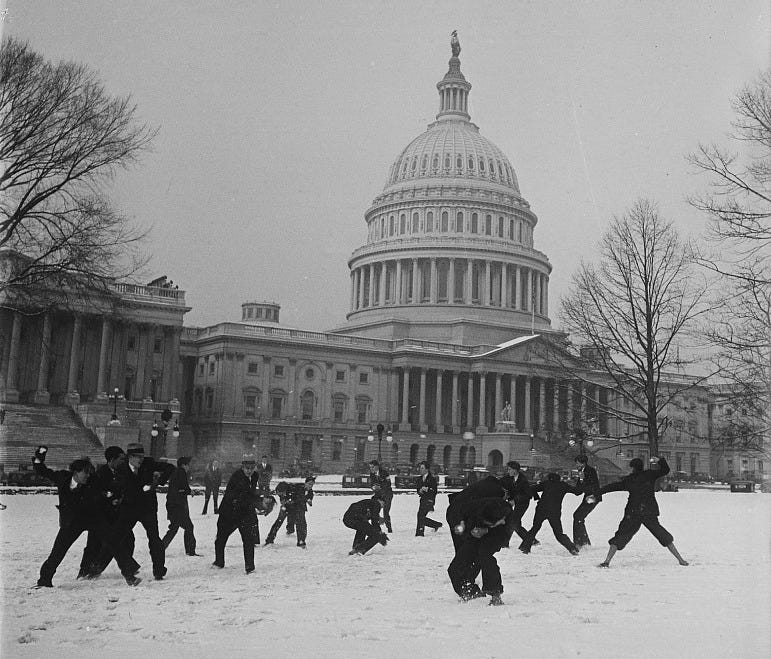
Battles In The Snow - Kevin Drumm
Sen’nyū - San-no-yu / 泉涌 - 参湯 - Meitei
Sen’nyū - Ichi-no-yu / 泉涌 - 壱湯 - Meitei
First Lament - John Also Bennett
Cradle of Humanity - Theodore Cale Schafer
Teorema - Golem mecanique
La Vallée du Sommeil - Elodie
On The Other Ocean - David Behrman
Winterbloom Too - Phill Niblock
Composition 1960 No. 7 - La Monte Young
The Days Run Away - Peter Garland
-
Thanks for reading this year and making the switch with me to Residence. Residence will begin in 2026, with a collaboration between Cole Pulice and whait in January. Wishing you all the best for the season and oncoming year.

-
Andrew Khedoori was the curator of Longform Editions, 2018 - 2025.
Please follow this new project - Residence via this Substack and at our Bandcamp.
Residence logo by Mark Gowing.
Fantastico mix! Thanks.
Anna - oh Anna!